Making Money as a Content Creator: Sponsorships and Free Products
The page to follow is CRA's social-media-influencer note in the platform-economy section. Business income goes on the return and on Form T2125, and taxable income is reflected on line 26000. An incorporated creator files a T2. GST/HST registration follows the taxable-supply tests, including the threshold over four calendar quarters that CRA states on that page. The walk-through of those tests is side-hustle taxes. Whether a platform reports a seller of goods is a different regime: platform reporting. A gift card or a product is not a "sale of goods" you made. It is income you received.
- Report fees, gifts, and free products. Value a non-cash perk at what you would have paid for it, fair market value, and keep the record of how you got there.
- CRA treats the activity as self-employment when it is not a personal endeavour: T2125, and line 26000.
- GST/HST registration is a separate test from income tax. CRA's influencer examples use the taxable-supplies threshold over four calendar quarters. Read the current registration page before you charge tax.
- A hobby that never aimed at profit is not this article. An account you grow in order to get paid is.
What counts
A sponsorship fee is the easy line. The harder lines are the ones that never hit the bank: a camera sent in exchange for a video, a hotel stay in exchange for posts, a "keep it" product after a review. CRA's page groups these as non-monetary income and says they are reported. Write the fair market value on the day you received the perk, in Canadian dollars, with a note of the source: the brand's own price, or what a stranger would pay. Do not write zero because you did not ask for the item. If you were chosen because of the audience, it was not a birthday gift.
Barter between creators is the same shape. A service traded for a service is still value. If you cannot put a number on it, you do not yet have a record. Make one before the year ends.
What you can deduct, and what you should not invent
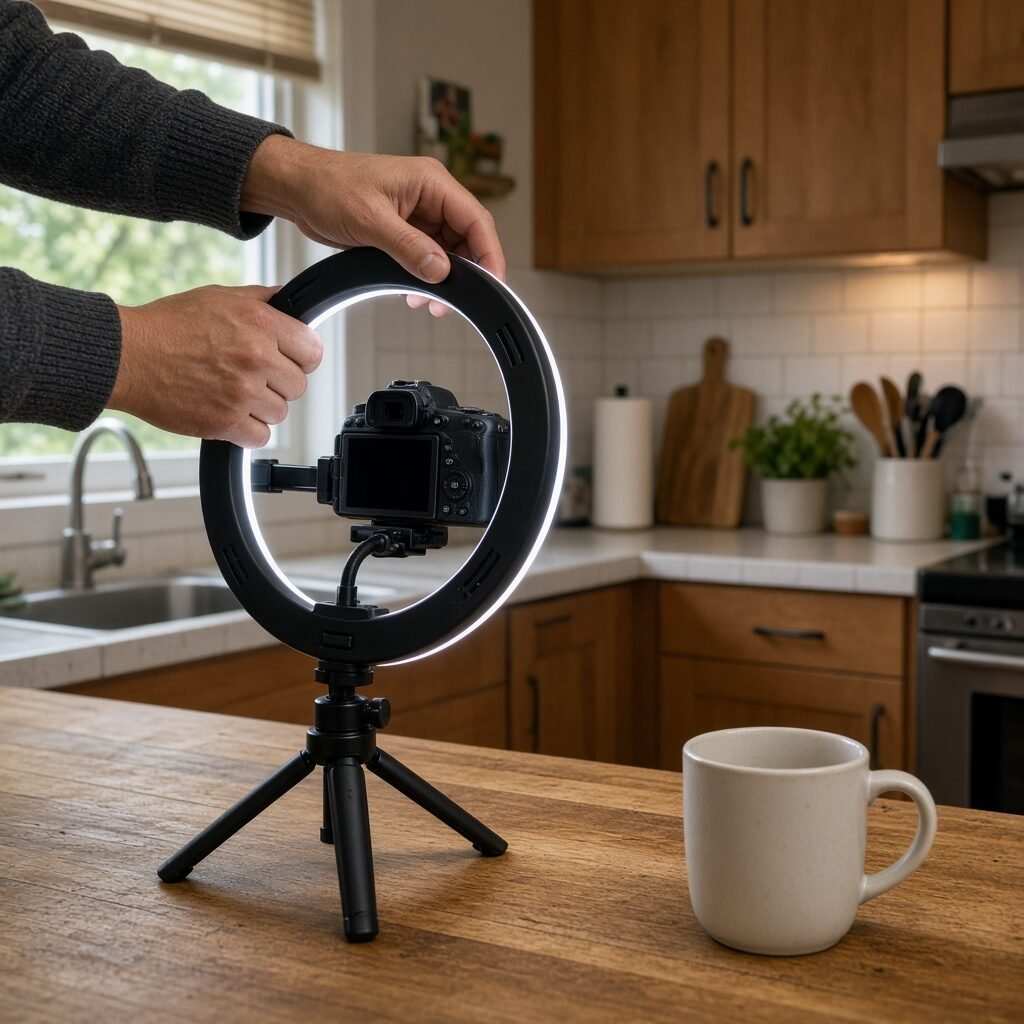
CRA's peer-to-peer and influencer material points business expenses at costs incurred to earn the income: platform fees, equipment used in the work, and the part of a home workspace the rules actually allow. A ring light used for the videos is a business cost. A wardrobe you would have bought anyway is not, just because you wore it on camera. The side-hustle tax article is the longer version of records and GST/HST. This page will not invent a percentage of rent you may claim. The workspace rules are specific. Read them, or stop at the costs that are obviously the business.
If the creator work sits on top of a job, run clawbacks before you count the sponsorship as spending money. And if the contracts are large enough that you are about to leave the job, the rate and the runway are the freelance rate and side hustle to full-time. A single good month of brand deals is the Omnisend pattern's exception: 53 percent of side hustlers in that survey earn $500 a month or less.
Frequently asked questions
The brand said the product was a gift. Do I still report it?
If it arrived because you have an audience they want, treat it as income at fair market value. A gift from a person with no commercial reason is a different story. The brand's email calling it a gift does not rewrite the income.
I was not paid, I was only given affiliate links.
Commission you earn when someone buys is income when it is credited to you. The link itself, unused, is not. Track the payouts. Report those, not a hypothetical.
Do I need a company?
Not because you own a camera. Incorporate when the test in should you incorporate is met. Until then, a T2125 and a separate record of perks is the business. How you would pay yourself from a company is salary versus dividends.