
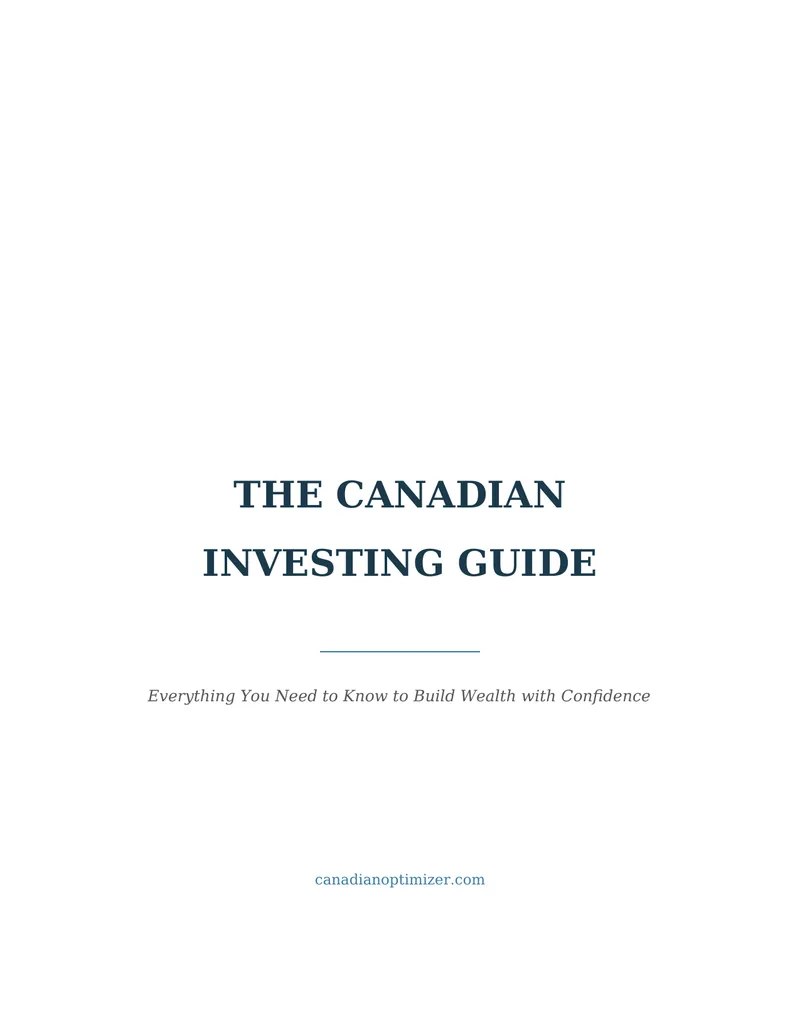
The Canadian Investing Guide
Everything You Need to Know to Build Wealth with Confidence
This book covers the accumulation phase: building a portfolio from wherever you are now. It explains every account (TFSA, RRSP, FHSA, RESP and taxable), the order to fill them, what to invest in and what to avoid, how to set your asset allocation and where to hold each investment, then how to buy your first ETF, rebalance and keep going. Every chapter ends with a summary and an action checklist.
Price at launch: $29 CAD. Not on sale yet.
By Andrew
- Pages
- 236
- Chapters
- 32
- Format
- PDF + editable Word (DOCX)
- Figures
- 2026 figures (built June 2026)
Who it’s for
- Beginners who have heard of TFSAs and RRSPs but have not started investing
- Intermediate investors who want to check account order and asset location
- Anyone leaving high-fee bank mutual funds for low-cost ETFs
- Families investing for a first home (FHSA) or a child’s education (RESP)
Who it’s not for
- Readers looking for stock tips, crypto plays or a system to beat the market
- Retirees planning withdrawals (see The Canadian Retirement Guide)
What’s inside
- 32 chapters in seven parts, from mindset to templates and checklists
- A chapter on each registered account, then how to choose the right account order
- Asset allocation, asset location, rebalancing and tax optimization for investors
- The 14 most expensive mistakes, starter portfolios by net worth and a 90-day action plan
- Brokerage and robo-advisor reference guide, calculators, websites and data sources
- Includes an editable Word version
The examples you’ll follow
Fictional characters at different ages, incomes and life stages show what the math looks like. They are illustrations, not real people.
Sarah and Mike
Both 30, both earning $70,000 in Toronto; one starts investing $500 a month, one waits
Priya, James and Lin
Worked examples at other incomes and stages, such as James optimizing his RRSP at $120,000
Full contents
32 chapters across 236 pages.
Part 1: Foundations
- 1Why Investing Matters More Than You Think
- 2The Investor's Mindset
- 3Before You Invest a Dollar
Part 2: The Accounts
- 4The TFSA
- 5The RRSP
- 6The FHSA
- 7RESPs
- 8Non-Registered (Taxable) Accounts
- 9Choosing the Right Account Order
Part 3: What to Invest In
- 10Asset Classes Demystified
- 11Stocks and the Canadian Market
- 12ETFs: The Canadian Investor's Best Friend
- 13Bonds, GICs, and Fixed Income
- 14Dividend Investing in Canada
- 15What to Avoid
Part 4: Building and Managing Your Portfolio
- 16Asset Allocation
- 17Where to Hold Your Investments
- 18Choosing a Brokerage or Robo-Advisor
- 19Executing Your First Investment
- 20Rebalancing and Maintenance
Part 5: Advanced Topics
- 21Tax Optimization for Investors
- 22Investing Through Life Stages
- 23When Things Go Wrong
- 24Bridging to Retirement
Part 6: Putting It Together
- 25The 14 Most Expensive Mistakes
- 26Starter Portfolios by Net Worth
- 27Your 90-Day Action Plan
Part 7: Reference Toolkit
- 28Brokerages and Robo-Advisors: Reference Guide
- 29Essential Calculators and Tools
- 30Recommended Reading and Following
- 31Key Websites and Data Sources
- 32Templates and Checklists
At the back
- Appendices with reference tables
What’s free on the site, and what the book adds
Free on Canadian Optimizer
Our articles explain one topic at a time and stay free. Start with Investing.
In the book
The whole subject in order, in one 236-page file: the same examples carried from chapter to chapter, end-of-chapter tasks and checklists, and quick-reference pages at the back.
- Instant downloadSecure checkout through Stripe, then straight to your download page.
- 30-day refundNot useful? Email contact@canadianoptimizer.com within 30 days for a full refund.
- Dated figuresEvery rate and limit is tied to a date, so you know what to re-check.
By Andrew
Andrew is a personal finance expert, DIY investor and life optimizer based in Toronto, Canada. With over 19 years of corporate experience at a leading Canadian company, Andrew combines deep industry knowledge with a passion for technology to help others navigate personal finance and streamline their daily lives.
Questions
What format is it?
PDF + editable Word (DOCX), 236 pages. It reads on a phone, tablet or computer, and you can print pages for your own use.
How do I get it after I pay?
This book is not on sale yet. When it is, checkout will be handled by Stripe and you will be sent to a download page with your files right after you pay.
Can I get a refund?
Yes. If it is not useful to you, email contact@canadianoptimizer.com within 30 days of purchase for a full refund.
Is this financial advice?
For education only. This book is general information, not financial, tax, legal or insurance advice, and it does not know your situation. Rules and amounts change; check the official source before you act, and consider a qualified professional for decisions that are hard to undo.
Who wrote it?
Andrew, who runs Canadian Optimizer. Andrew is a personal finance expert, DIY investor and life optimizer based in Toronto, Canada. With over 19 years of corporate experience at a leading Canadian company, Andrew combines deep industry knowledge with a passion for technology to help others navigate personal finance and streamline their daily lives.
How is this different from The Canadian Index Investing Guide?
The Canadian Investing Guide covers investing in Canada from the ground up: every account, every asset class and how to build a portfolio. The Index Investing Guide assumes you know the accounts and goes deep on one approach: a low-cost index ETF portfolio and how to stick with it.
The Canadian Investing Guide
236 pages · 32 chapters · PDF + editable Word (DOCX)
$29 CAD
Coming soon · $29 CADFor education only. This book is general information, not financial, tax, legal or insurance advice, and it does not know your situation. Rules and amounts change; check the official source before you act, and consider a qualified professional for decisions that are hard to undo.
More Canadian Optimizer guides
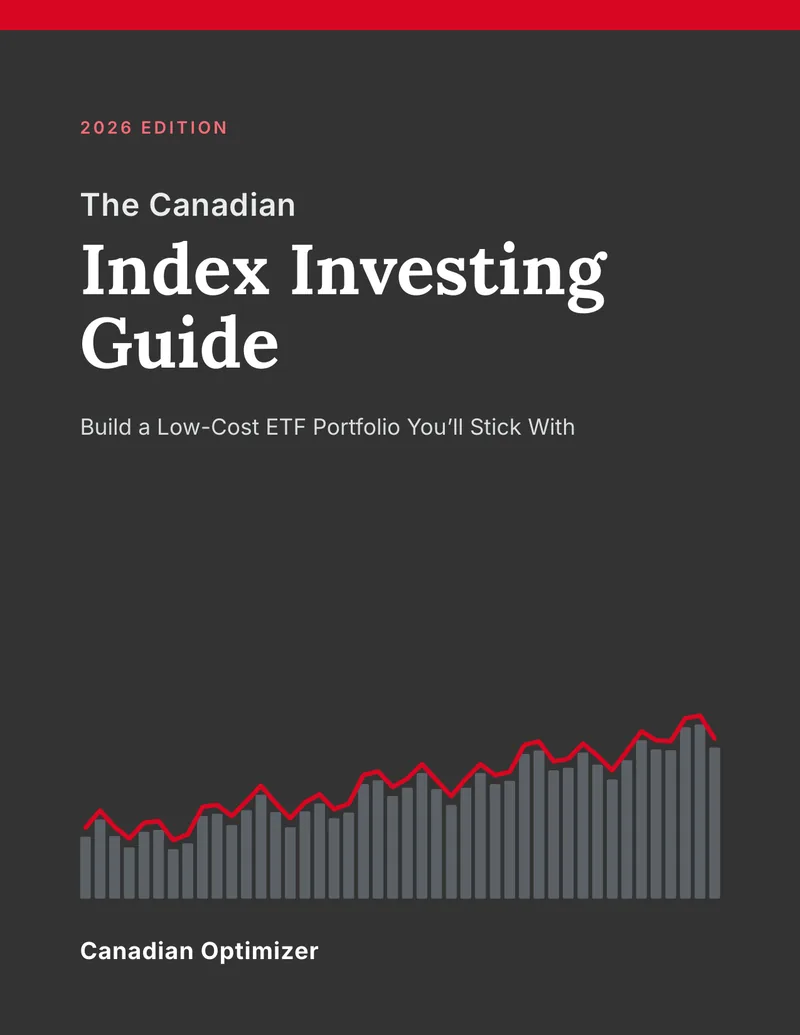
The Canadian Index Investing Guide
152 pages · 19 chapters
A 152-page guide for Canadians who have chosen low-cost index ETFs: design the portfolio, put each fund in the right account, run it once a year and stick with it.
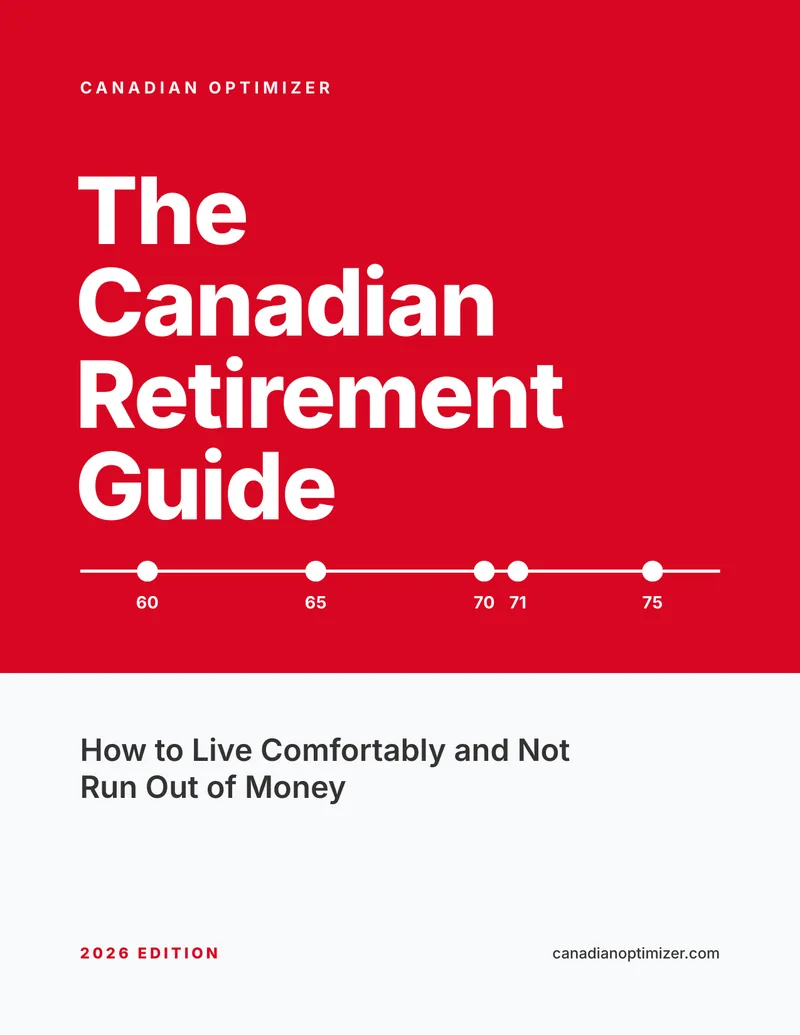
The Canadian Retirement Guide
180 pages · 26 chapters
A 180-page guide to the decisions behind a Canadian retirement: your number, CPP and OAS timing, workplace pensions, RRIF withdrawals, housing, care and what you leave.
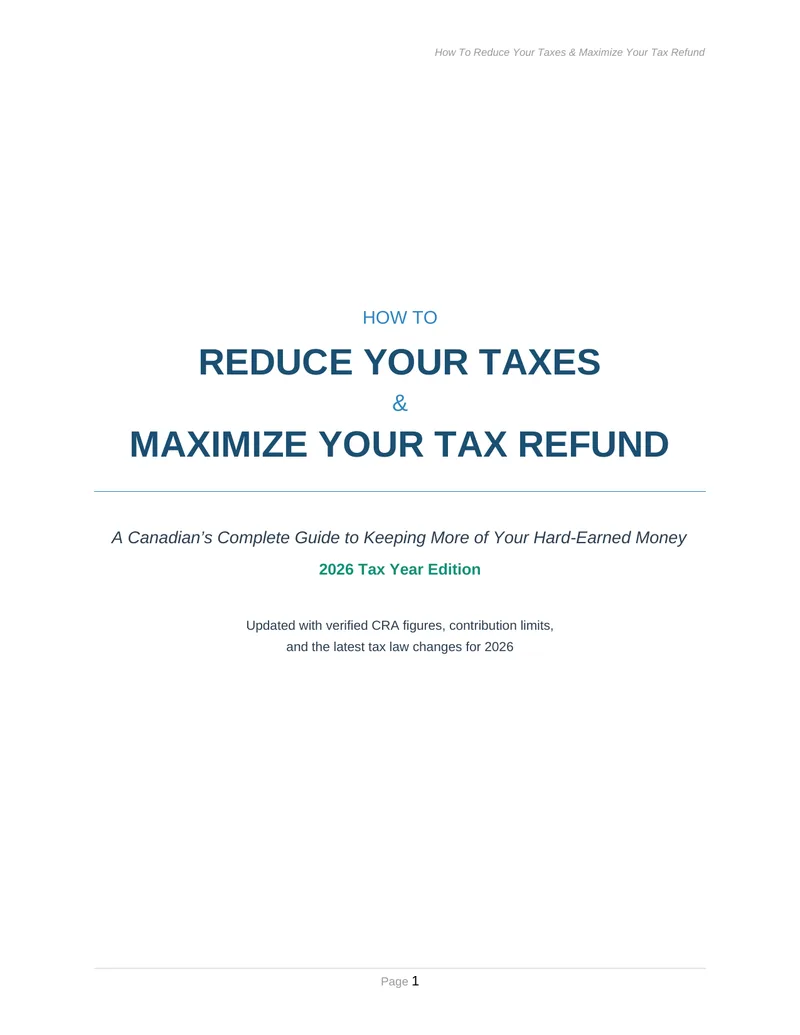
How to Reduce Your Taxes & Maximize Your Tax Refund
109 pages · 25 chapters
A 109-page guide to the 2026 Canadian tax year for employees (T4) and the self-employed (T2125): deductions, credits, RRSP, TFSA, FHSA and a 12-month tax calendar.